

The latest funding round brings Sora’s total capital raised to approximately $7.3 million, building on a $4.8 million late seed round announced in March 2025.
This round welcomed three new investors—Daiwa House Group Investment Limited Partnership, Central Japan Innovative Research Fund I, and UNERI Capital Fund Series I—alongside existing supporters, including Nissay Capital and SMBC Venture Capital.
Sora’s mission is focused on combating malaria, a disease that affects over 200 million people annually and results in nearly 600,000 deaths worldwide, with Africa accounting for the majority of cases and fatalities.
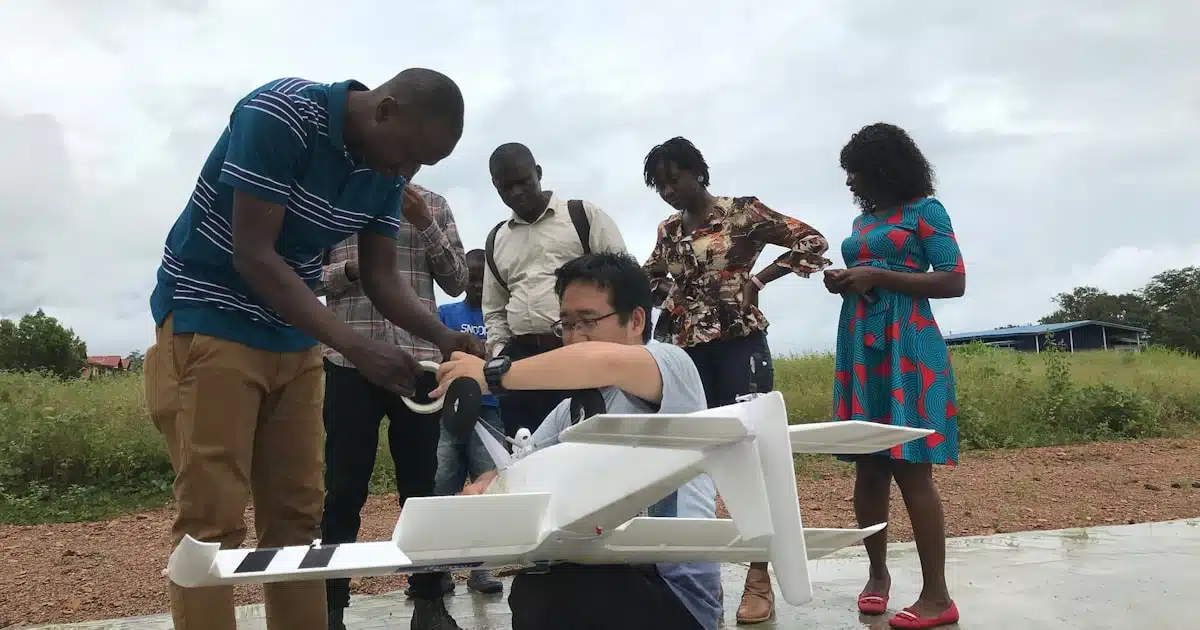
Through its flagship program, SORA Malaria Control, the company leverages satellite imagery, drone technology, and artificial intelligence to forecast outbreaks, assess environmental conditions, and implement targeted mosquito control measures.
Its AI systems are designed to detect, map, and prioritize mosquito breeding sites based on their level of risk.
Although Sora is a Japan-based startup founded in 2018, its core initiative is dedicated to Africa. The company is currently operating in more than ten African countries, including Ghana, Sierra Leone, Benin, the Democratic Republic of the Congo, Senegal, Kenya, and Mozambique.
According to founder and CEO Yosuke Kaneko, the company is focused on addressing critical gaps in healthcare infrastructure, particularly across the African continent.
The newly secured funds will be used to further develop Sora’s AI-driven disease prediction tools, expand its team, and strengthen partnerships with governments and international health organizations.
Sora has collaborated with national and local governments, research institutions, and international organizations, including a partnership with the World Health Organization to support long-term malaria control initiatives in Mozambique.
Although malaria remains its core focus, the company is also deploying its technology across other sectors in Africa. These applications include environmental monitoring for mining operations and improving productivity and environmental impact management within the agricultural sector, broadening its relevance beyond public health.
This expansion places Sora in competition with players such as Zipline in healthcare logistics and Nigeria-based Terra in mining and agriculture. Terra revealed in 2024 that the mining sector represents its largest customer base, recording approximately $2 million in orders that year.
Looking ahead, Sora intends to deepen its footprint across existing partner countries in Africa while enhancing its local operations and technical infrastructure in preparation for a future Series A funding round.


